
Scout resources
The practical knowledge that helps once you are out scouting: where to look, what tends to be worth scanning, and how to work a store well. For step-by-step app instructions, use the training guide in your dashboard. For pay, GST, and the scanner loan terms, see the FAQ.
Where to look
Thrift stores, library and church book sales, garage and yard sales, estate sales, flea markets, and some used bookstores are where most scouts find their books. What makes a location worth your time is simple: books priced cheaply, stock that turns over, and enough of it to make scanning worthwhile.
A section is worth working when it is large, mostly non-fiction, and looks recently restocked. It is usually not worth much time when the section is tiny, picked over, priced high, or mostly common paperback fiction.
Sections worth checking first
Most of what we accept is non-fiction, so that is where to spend your time. In a sorted store, work the shelves in roughly this order:
- Textbooks and academic books
- Technical and scientific
- Art
- Religion
- Health and wellbeing
- Business
- Cookbooks
- History
- Other non-fiction
- Sci-fi and fantasy
If you only have a few minutes in a store, that is the order to spend them in.
Thrift store pricing
Pricing varies a lot between stores, and it changes where your time is best spent.
At higher-priced chains, where books often run $6 to $10, stick to the highest-yield sections: textbooks and reference. Textbooks paying $20 to $30 are not unusual there. Watch for multi-buy promotions too, a common one is buy four, get one free. The cheapest book in the transaction is the free one, so it can pay to split a big pile across a couple of transactions.
At cheaper stores, $1 to $3 a book, it is worth casting a wider net. There is usually less high-value stock concentrated in one section, but books that pay $3 to $10 turn up at a noticeably better rate.
Pricing and promotions like these vary by store and change over time. Treat this as a starting point, not a fixed rule, and check what is actually true at the stores near you.
Book sales, yard sales, and marketplace listings
Library and charity book sales run every so often with a huge amount of stock, often priced $2 to $3 a book. The good ones are worth making time for, though what you find varies from sale to sale. They also draw a crowd: for the best sales, plan to line up two to three hours before doors open if you want first pick.
Yard and estate sales are less predictable and the mix is more uneven, but they are worth checking, especially over the summer. People often price books to move rather than carry them back inside.
On Facebook Marketplace and Craigslist, whole collections sometimes sell for as little as a dollar a book. Scan a sample to get a sense of the lot, then offer a flat price for the rest. Keep what we accept and pass the rest along, a box at a time is fine if you are donating.
Working a store efficiently
Speed is the real edge, not clever picks. Do not stop to study every book. Aim for roughly one scan a second. With some practice, getting through around 700 books an hour is realistic, and that pace is what actually pays.
Long streaks of rejects are completely normal, and sometimes a whole store turns up nothing, especially evenings and weekends. Keep moving through a streak instead of slowing down to second-guess it.
A shelf that looks picked over, books left leaning at odd angles, barcode labels torn off, usually means another scout already worked it. Do not linger there.
Visiting the same one or two stores regularly, daily if you can manage it, beats spreading yourself thin across many. You spend less time re-scanning stock you have already seen and more time on what is new. Getting to know staff by name helps too: they will often mention when fresh stock is going out.
Condition: what we can and can’t accept
A book that gets declined at drop-off is money out of your own pocket, so a quick check before you buy is worth it.
Skip anything with water damage, mold or a musty smell, missing pages, a broken binding, heavily torn or detached covers, or severe wear. Heavy highlighting, marking or annotation is out too, though light to moderate marking over no more than about 15% of a page’s text is fine. Completed student workbooks, the kind meant for students to write their answers in, are also declined once any answers have been filled in.
Also check the cover and title match what the app pulled up. ISBNs occasionally get reused across different editions, and a mismatch is exactly the kind of thing that gets caught at inspection.
Editions and copies we can’t accept, even in good condition
Some books are declined no matter how clean they are. These you can spot by sight, so it pays to recognize them before you buy.
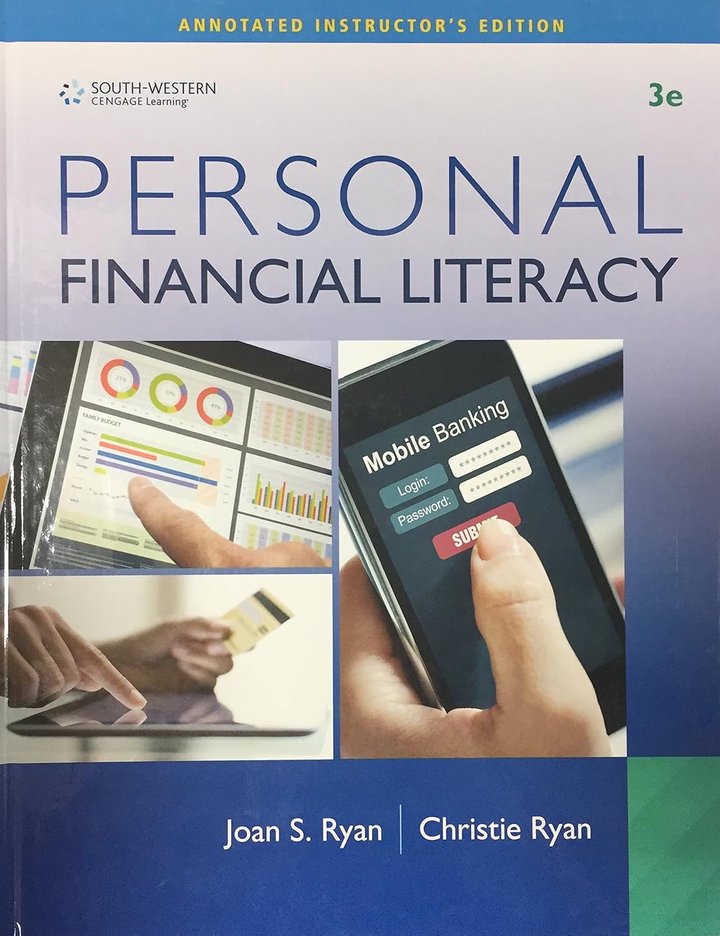
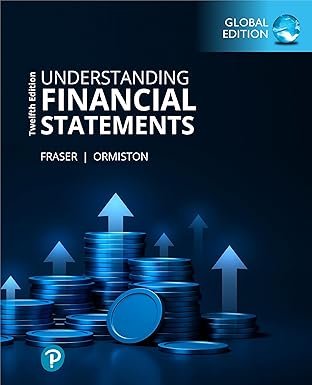
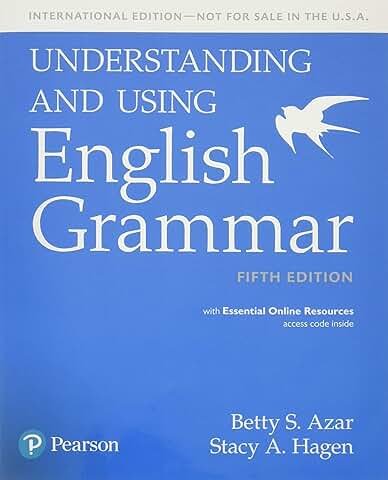
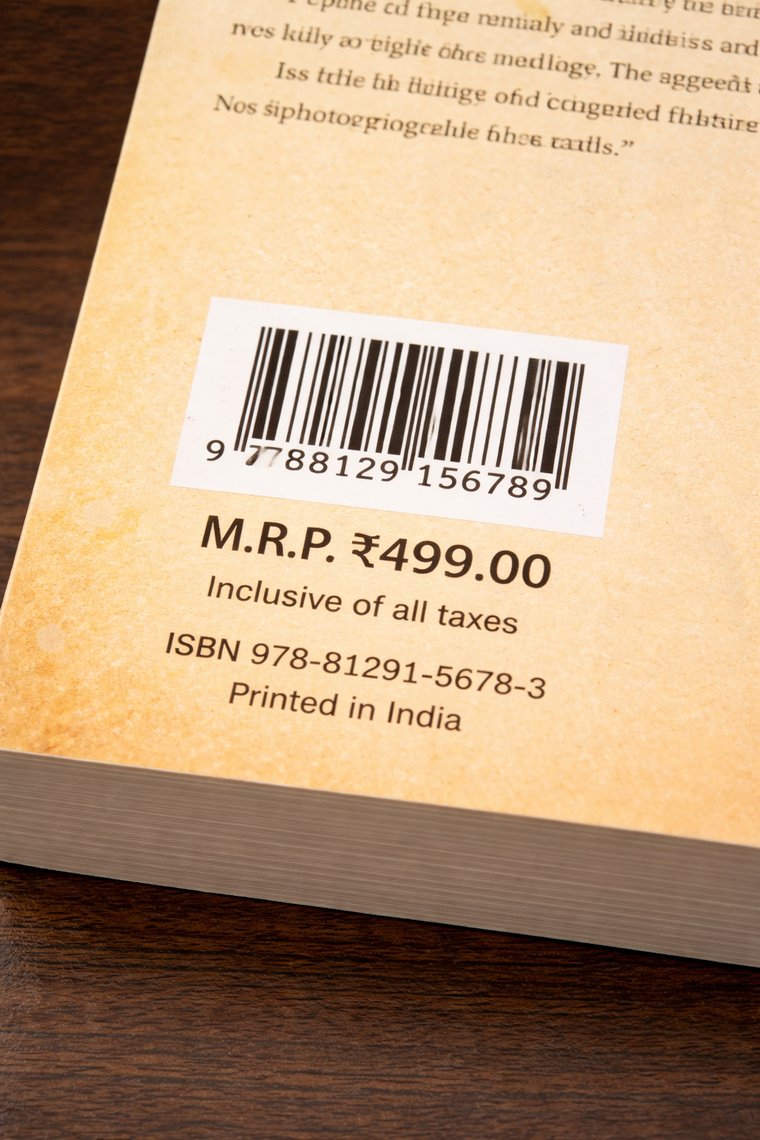
A few more that are out, with or without a photo to go by:
- Obviously counterfeit textbooks. Watch for poor print quality, mis-sized pages, weak binding, misaligned text, or an authentication sticker printed straight onto the cover. We follow the publishers’ guidance at stopcounterfeitbooks.com. Ask if you are unsure.
- Partial sets. Some ISBNs cover a multi-book set. We can only buy complete sets.
- Missing components. Missing essential CDs or DVDs, or valuable bundled items, means the book is out.
The full condition standards are in your dashboard resources. If a book is borderline, message us before you buy rather than after.
Open condition standards in your dashboardGetting books to us
Books get inspected when they arrive, so keep them in the shape you bought them in. Stack them carefully, keep them dry, and do not cram them into a bag where they will bend or tear. We can provide boxes if you need them.
It is worth keeping a rough tally of what you spent at each stop and whether it paid off. That is what tells you which stores and sections are worth going back to.
Read how payment worksYour scanner
You can scan with the camera built into the app any time, no equipment needed. If you would rather use a dedicated Bluetooth barcode scanner, you can request a free two-week starter loan. Loan scanners are limited, so requesting one does not guarantee you will get one, but if you are selected you pick it up at our Surrey office. We will reach out near the end of the loan to arrange the return.
Buying your own scanner
After the starter period, or if you were not selected for a loan scanner, you can keep going with your phone’s camera or buy your own (the loan scanner goes back to us for the next new scout). We use the Eyoyo Bluetooth barcode scanner, and you can buy the same model here.
Scanner link coming soon
We’re setting up the Amazon link for the Eyoyo scanner. Until it’s here, ask us at [email protected] and we’ll point you to the exact model.
The phone camera works fine in a pinch, but a Bluetooth scanner is worth having if you are scouting regularly. The Eyoyo above is our pick, because it lets you scan books far more quickly.